Image description

Connect with us online at:

137 Alexandra Ave.

Bridgewater, Nova Scotia
B4V 1H5

info@eastcoastland.ca

902-543-0307


Eastcoast Land Development Limited Official Website!

A little about us.

Bridgewater is a thriving town nestled in the heart of the LaHave River Valley. Known as the "Mainstreet of the South Shore", Bridgewater is strategically located with ample amenities to serve its role as a regional commercial centre. Residents enjoy a small town quality of life with convenient access to a wealth of recreational opportunities.


NEW Visitor Information Centre...

The Town of Bridgewater and the Municipality of the District of Lunenburg are excited to announce the grand opening of the new Visitor Information Centre at 125 Cornwall Road, Blockhouse Exit 11 off Highway 103.

The opening is the success of a partnership between the Town and the District of Lunenburg to work collaboratively in promoting the tourism assets of our municipalities and supporting our local businesses.
Mayor Downe and Mayor Walker welcome you to travel through time at the Bridgewater and Lunenburg District Visitor Information Centre as we celebrate the history and presence of local tourism at our beautiful new facility. Inquiries may be directed to:

Denise Penny, VIC Manager
Bridgewater and Lunenburg District Visitor Information Centre
Exit 11 in Blockhouse
125 Cornwall Road, Blockhouse
Tel: (902) 530-4677


The Province of Nova Scotia is located on Canada's East Coast and covers an area of 55,500 sq. km. Bridgewater, Lunenburg County is the largest centre on Nova Scotia’s South Shore with a land area of 13.35 square km. 

Situated on the LaHave River, Bridgewater is 15 miles from the Atlantic Ocean and strategically located only 1 hour (100 km) south west of Nova Scotia's capital city, Halifax and only 1-1/2 hours from the Halifax International Airport. The international ferries in Yarmouth are approximately 2 1/2 hours from Bridgewater.
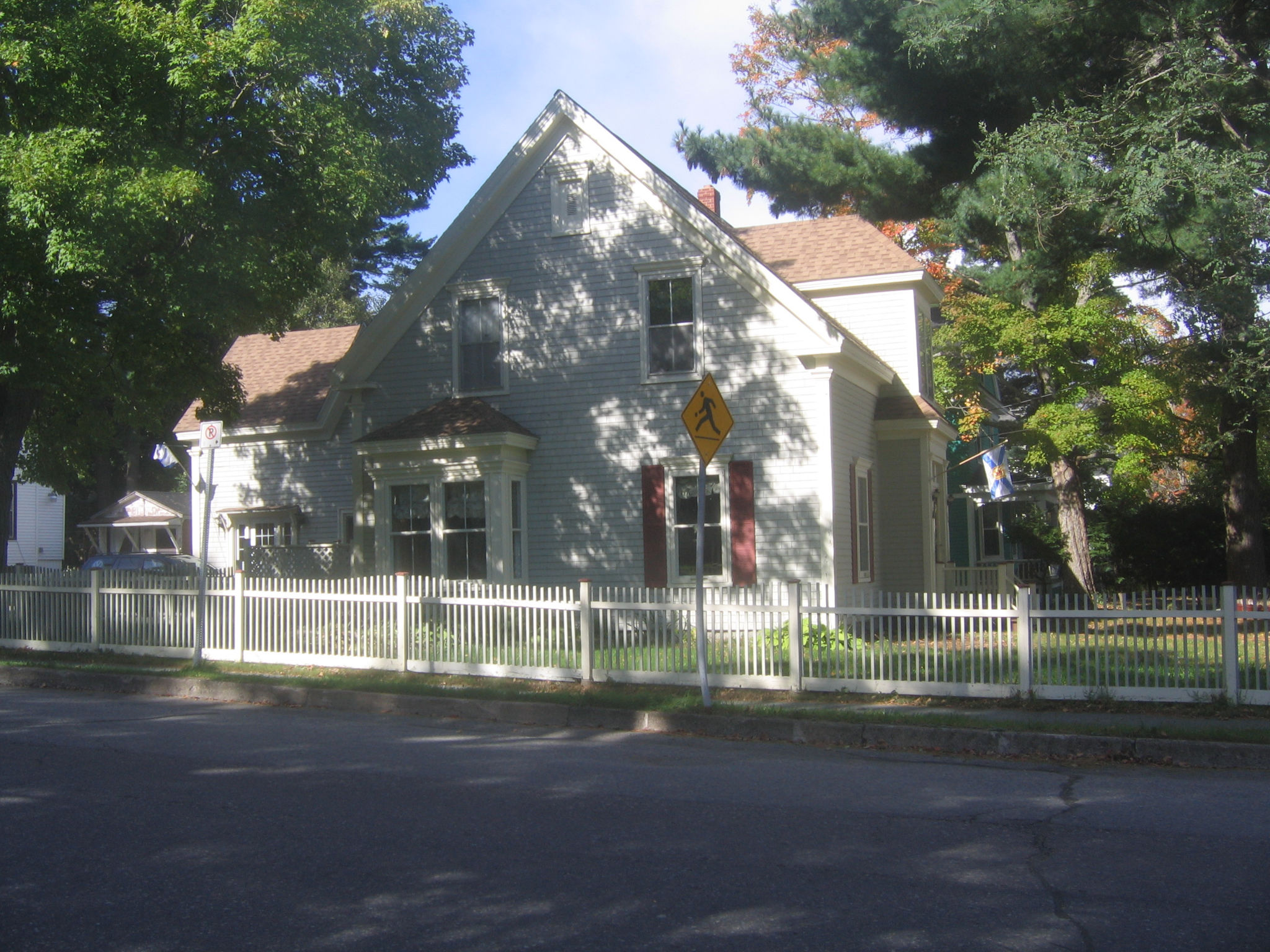
 

Image description

Typical Bridgewater Home

Image description

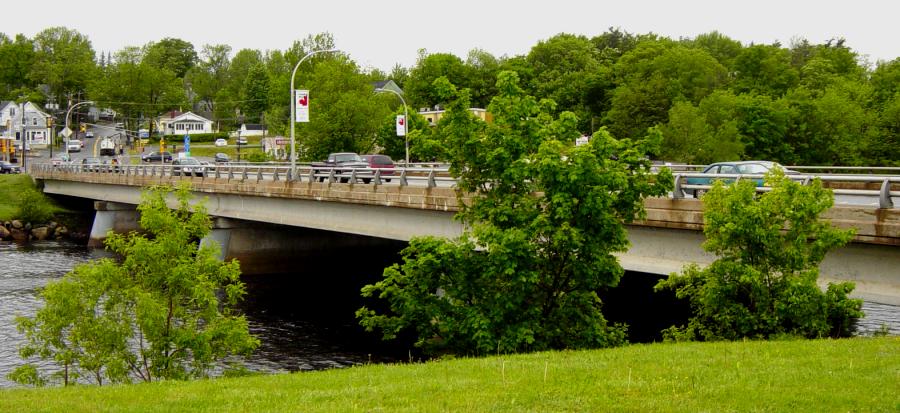
Bridgewaters' new bridge

Image description

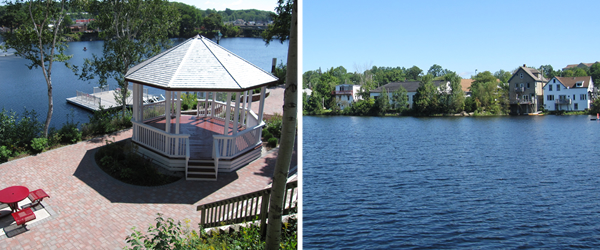
Glen Allan Community is only a five minute walk to well maintained walking and jogging trails, indoor walking tracks, and public boat docks. Right around the corner is the new “Generations Park” for all ages.

Initially mapped and named by Samuel de Champlain in 1604, Cape le Heve was the first place he sighted in North America, and the first capital of New France from 1632-1636. Isaac de Razilly led an expedition to establish a permanent civilian colony in Acadia in 1632, after Acadia was returned to French control. He chose le Heve. Land was cleared, houses built, livestock imported, and settlers arrived in 1634. These French settlers at LeHave, Foreign Protestants at Lunenburg (1753) and subsequent British colonists have all influenced the development of our town. 

However, three centuries of European settlement represent a small segment of time when compared to the nearly 60 centuries of Mi'kmaq settlement on the banks of "Pitjinoiskog", the LaHave River. 

Bridgewater, located a protective 15 miles inland, was an ideal settlement location. The numerous streams in the area provided ample power for the operation of industrial mills to harvest the hemlock and pine. 

The first house recorded on the west side was built by Ralph Hotchkiss in 1812, at the site of the corner of King and Phoenix Streets. The oldest home still standing in Bridgewater is the "Ramey House", on the east side, perhaps built before the turn of the 19th century. Even then, these two emerging settlements were not joined by a bridge until about 1825. The Confederation period saw the settlement at Bridgewater develop schools, industries, newspapers, and a fire brigade. Before the turn of this century, the town was being serviced by a regular stagecoach, steamship, a railroad center and a Board of Trade. 

In January 1899, this growth was dealt a blow by the "Big Fire" which completely destroyed the downtown core. One month later, the community came together as an Incorporated Town. Five months later, a new streetscape greeted visitors to downtown Bridgewater. 

After WWI, the growth of industry, automobiles, pavement and public transit made Bridgewater a town in which many people of today would feel at home.